
Key Features: Doubling Down in Blackjack
Doubling down is one of blackjack’s most exciting and strategically important moves. It gives you the chance to double your bet at the perfect moment, squeezing more money from hands where the odds tilt in your favour. In European blackjack, doubling your bet is most common on hard totals of 9, 10, or 11 against a dealer’s weaker upcard (2-6). These are considered weak dealer hands because the dealer must continue drawing until reaching at least 17. Starting with a low card (2–6) means the dealer will usually need to take multiple additional cards, increasing the likelihood of busting. Doubling is also recommended on soft hands such as soft 16-18 (A-5 to A-7) when the dealer shows 4-6, as the Ace provides flexibility and increases your chance of beating a dealer who may bust.
In this comprehensive guide, we’ll take a closer look at the double down move in blackjack, breaking down this strategy to help you understand when it’s the right time to increase your stake and when it’s better to stay your hand. You’ll learn how placing an equal bet works when you double down, how table rules can influence the best decision, and how to apply these principles across the top online blackjack games to play with greater confidence and control.
The table below shows you when to double down in blackjack:
| Player Card Total | Dealer Card Total | Double Down |
| 11 | 2-10 | Yes |
| Soft 16, 17 or 18 | 2-6 | Yes |
| Hard 9 or 10 | 2-6 | Yes |
| Any Total | 7-10 or Ace | No |
| 12 or Higher | Any | No |
Understanding the Double Down in Blackjack
When you choose to double down, you place a bet equal to your original bet and receive one second card only, which is added to your original two cards to complete the hand. If your final total beats the dealer, the dealer pays out on both bets, but if the move is made at the wrong time, you risk losing double your stake. Players typically double down when the dealer shows a weak card and the player has a strong card as this increases the chance of reaching twenty one or a total close to 21 with that single draw. In games that allow splits, each of the separate hands may sometimes be doubled depending on the rules, making it even more important to understand when this move truly gives you an advantage.
Below, we explain the reasoning behind why you should double down on these totals and how each situation gives you a statistical advantage against the dealer:
Totalling 11
Doubling down on 11 is usually strong because there are more 10-value cards in the deck than any other rank (10s, Jacks, Queens, and Kings). This means your most likely draw is a 10, taking you straight to 21. Even if you don’t hit a 10, many other cards will still leave you with a strong total (17-20), which often beats the dealer, especially if they start with a weaker upcard.
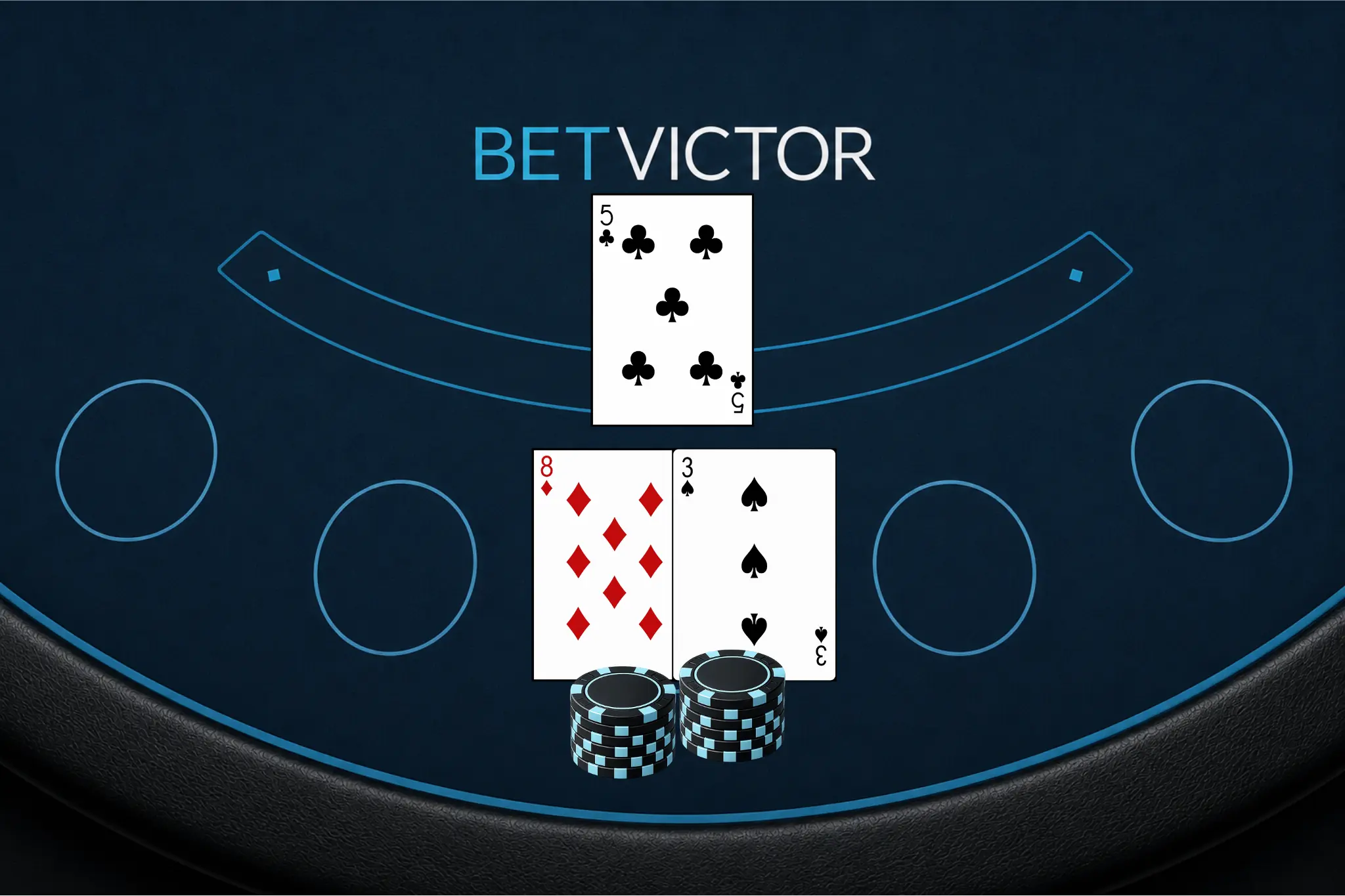
Hard 9 or 10
In cases of a hard hand made up of your first two cards with no Ace, doubling down can be a wise choice when the dealer reveals a low card, as this often puts them in a position where they must dealer hit and risk busting. If the next card you draw is reasonably high, your total is likely to be in a favourable position against the dealer. Understanding the best strategies helps players avoid common mistakes, such as doubling at the wrong time or against a strong dealer card. While doubling down can increase potential returns, it does not guarantee success, especially in games where the dealer later reveals a hole card, reinforcing the importance of making disciplined, informed decisions.
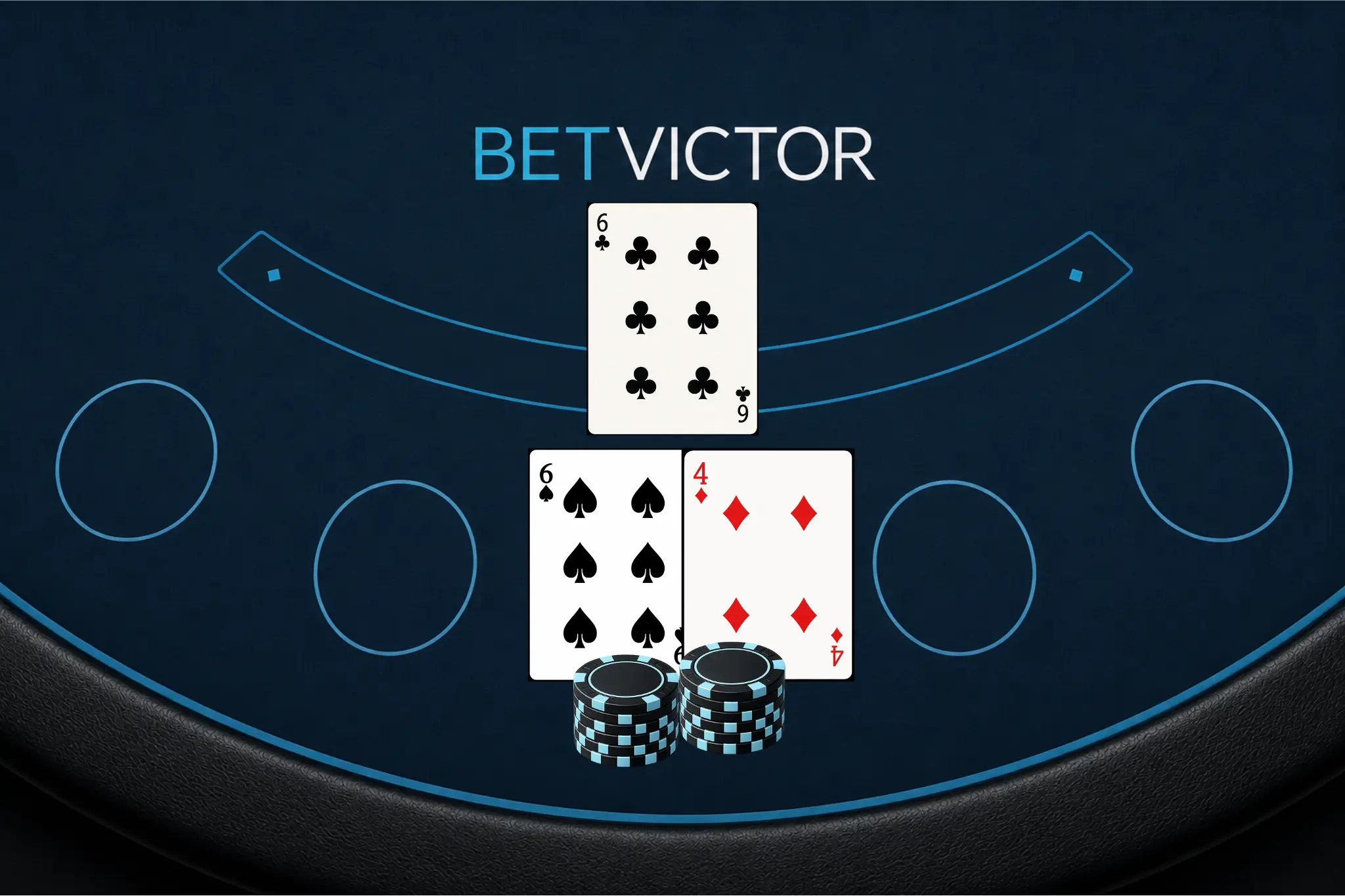
Soft 16, 17, or 18
With a soft hand made up of a card and an Ace, giving you a soft total, consider doubling down when the dealer’s upcard is low. Hands such as soft 16 soft 17 and soft 18 may look strong enough to stand, but the Ace gives you flexibility as it can count as one or eleven. This means taking one more card cannot bust your hand and can significantly improve your total, often moving you into a much stronger position while the dealer is more likely to struggle or be forced into drawing additional cards.
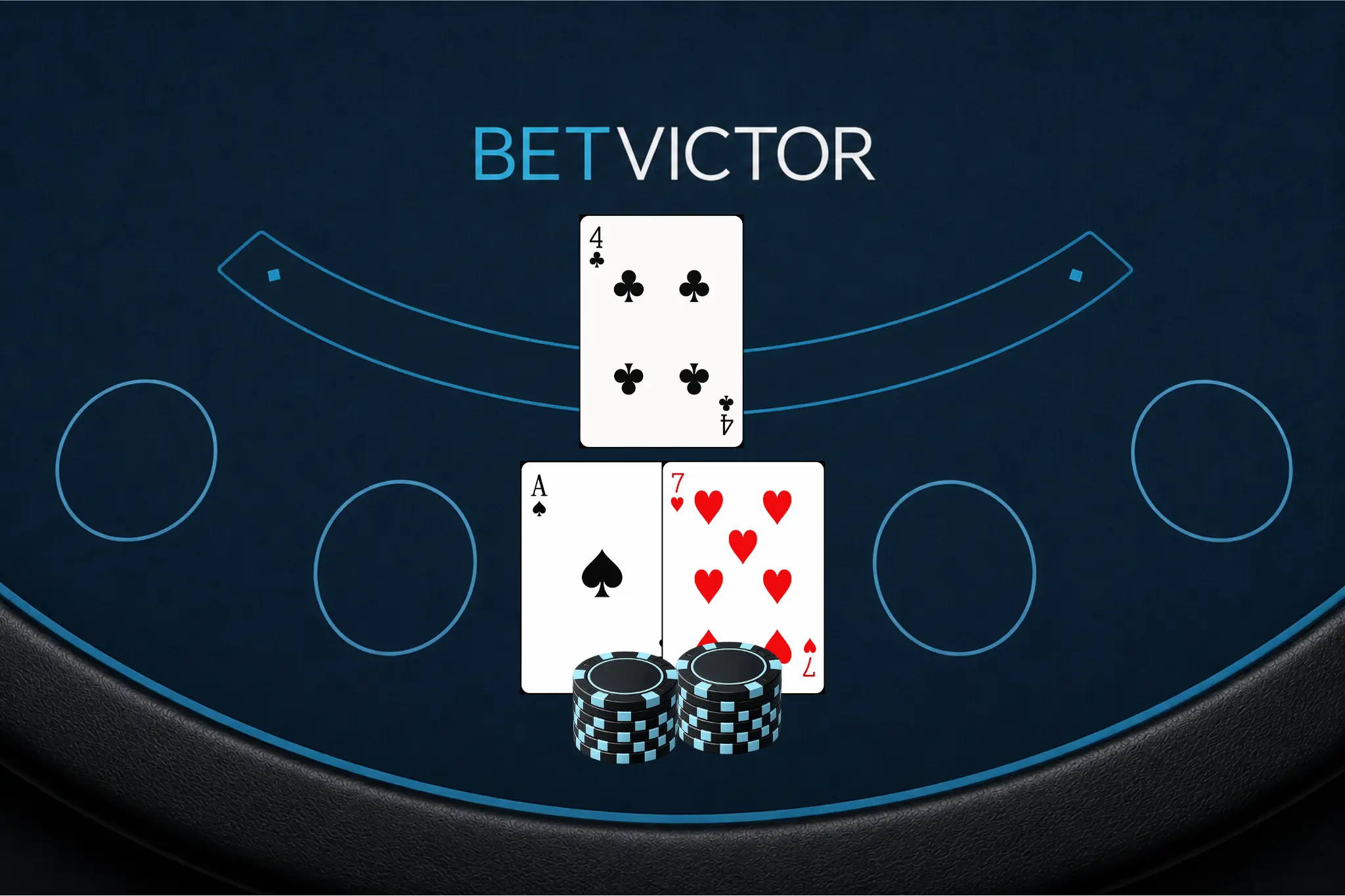
When Not to Double Down
Dealer Shows a 7, 10 or Ace
Avoid doubling down when the dealer reveals a 7, 10 or an Ace, as the odds of them achieving blackjack are notably high. Even if the dealer doesn’t have blackjack, they’re likely to approach a total close to 21.
Player’s Hand Total is Above 11
Refrain from doubling down when your hand’s total exceeds 11, as the risk of busting is too great to take. Instead, it’s safer to hit or stand.
Signalling a Double Down
To signal your intent to double down in blackjack, simply push a stack of chips equal to your initial bet alongside your original wager. In most cases, this gesture will suffice. However, if it doesn’t, you can verbalise your intention to the dealer while pointing with one finger to request one more card. It’s a straightforward process, but make sure not to place the extra chips on top of your initial bet, as it may be viewed unfavourably by the casino staff. When you are playing live dealer blackjack, you will be presented with a double down button to click.
Key Considerations for Doubling Down
When deciding to double down in blackjack, it’s crucial to be aware of the casino’s rules. These rules dictate when doubling down is permissible. Pay attention to the hand values that allow doubling down; many casinos and live blackjack games might restrict it to hands totalling 10 or 11. Additionally, consider the dealer’s required hand value to hit 21; the higher their limit, the more likely they are to exceed 21, making a double down bet more attractive.